Navigating an anti-inflammatory lifestyle involves embracing vibrant, whole foods—like leafy greens and berries—to combat chronic inflammation. A
printable list of anti-inflammatory foods pdf can be a valuable tool for grocery shopping and meal planning, ensuring you consistently choose options that support your well-being.
What is Inflammation?
Inflammation is the body’s natural defense mechanism, a complex biological response to harmful stimuli like pathogens, damaged cells, or irritants. While acute inflammation is beneficial – think redness and swelling around a cut – chronic inflammation is a silent, insidious process linked to numerous health issues. It’s not simply about feeling unwell; it’s a systemic issue impacting everything from heart health to brain function.
Understanding inflammation is crucial when considering a printable list of anti-inflammatory foods pdf. This list isn’t just about avoiding certain foods; it’s about actively incorporating those that help regulate the inflammatory response. Foods rich in antioxidants, like berries and leafy greens, combat free radicals, key players in the inflammatory cascade. A well-designed list will categorize these foods for easy reference, empowering you to make informed dietary choices and proactively manage your health.
The Role of Diet in Managing Inflammation
Diet plays a pivotal role in modulating inflammation. Consuming processed foods, refined sugars, and unhealthy fats can exacerbate inflammatory responses, while a diet rich in whole, unprocessed foods can actively reduce it. This is where a printable list of anti-inflammatory foods pdf becomes invaluable. It’s a practical guide to shifting your dietary patterns towards those that support optimal health.
Such a list isn’t restrictive; it’s empowering. It highlights foods brimming with antioxidants, omega-3 fatty acids, and phytonutrients – compounds that directly combat inflammation. Categorizing foods on the list – fruits, vegetables, healthy fats, spices – simplifies meal planning and grocery shopping. Utilizing this resource allows for conscious food choices, transforming your plate into a powerful tool for managing inflammation and promoting long-term well-being. It’s about nourishing your body from the inside out.

Key Food Groups for an Anti-Inflammatory Diet
A printable list of anti-inflammatory foods pdf categorizes essential groups: fruits, vegetables, healthy fats, and spices, guiding you towards optimal dietary choices for wellness.
Fruits: A Colorful Source of Antioxidants
Fruits are nutritional powerhouses, brimming with antioxidants vital for combating inflammation. A comprehensive printable list of anti-inflammatory foods pdf should prominently feature a diverse array of fruits. Berries – blueberries, strawberries, raspberries, and blackberries – stand out as exceptional choices, packed with anthocyanins, potent anti-inflammatory compounds.
Beyond berries, consider including cherries, particularly tart cherries, known for their ability to reduce muscle soreness and inflammation. Citrus fruits like oranges and grapefruits offer Vitamin C, another powerful antioxidant. Apples, pears, and grapes, with their skins intact, provide quercetin, a flavonoid with anti-inflammatory properties.
When utilizing a printable list of anti-inflammatory foods pdf, prioritize seasonal fruits for maximum freshness and nutrient density. Remember that variety is key to obtaining a broad spectrum of antioxidants and supporting overall health. Regularly incorporating these colorful fruits into your diet is a delicious and effective strategy for managing inflammation.
Berries: Powerhouses of Antioxidants
Berries consistently rank among the top anti-inflammatory foods, making them essential inclusions on any printable list of anti-inflammatory foods pdf. Their vibrant colors signal a high concentration of anthocyanins, powerful antioxidants that neutralize free radicals and reduce inflammation throughout the body. Blueberries, often hailed as a superfood, are particularly rich in these beneficial compounds.
Strawberries, raspberries, and blackberries also contribute significantly to an anti-inflammatory diet. A printable list of anti-inflammatory foods pdf should detail the specific benefits of each berry variety. For instance, raspberries are a good source of ellagic acid, another potent antioxidant.
When creating your printable list of anti-inflammatory foods pdf, consider adding notes about incorporating berries into various meals – smoothies, yogurt, oatmeal, or simply enjoyed as a snack. Prioritizing organic berries whenever possible minimizes exposure to pesticides, further enhancing their health benefits. Regular berry consumption is a delicious pathway to reduced inflammation.
Vegetables: Essential Vitamins and Minerals
Vegetables form the cornerstone of any effective anti-inflammatory diet, and a comprehensive printable list of anti-inflammatory foods pdf must prioritize their inclusion. Packed with essential vitamins, minerals, and phytonutrients, vegetables combat inflammation at a cellular level. A well-structured list should categorize vegetables for easy reference, distinguishing between leafy greens, cruciferous vegetables, and other beneficial varieties.
The printable list of anti-inflammatory foods pdf should emphasize the importance of diverse vegetable intake. Different colors represent different antioxidant profiles, maximizing the protective effects. Consider including specific serving size recommendations to guide users.
Highlighting the versatility of vegetables – whether enjoyed raw, steamed, roasted, or added to soups and stews – encourages consistent consumption. A detailed printable list of anti-inflammatory foods pdf empowers individuals to make informed choices and build a sustainable, inflammation-reducing eating pattern.
Leafy Greens: Spinach, Kale, and More
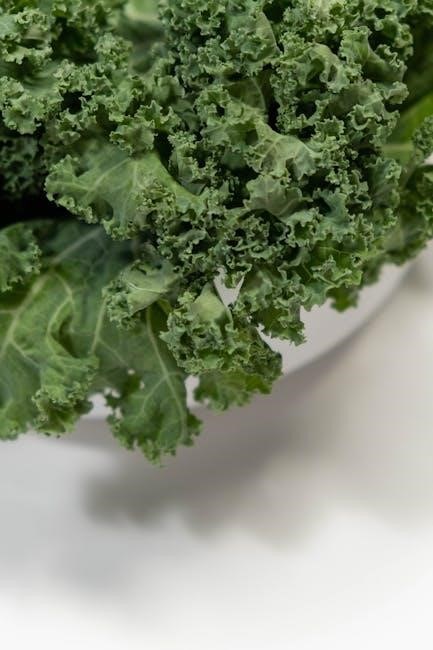
A detailed printable list of anti-inflammatory foods pdf absolutely must prominently feature leafy greens like spinach, kale, arugula, and collard greens. These nutritional powerhouses are brimming with antioxidants and vitamins – notably Vitamin K – which actively combat inflammation within the body. The list should specify that darker greens generally offer a higher concentration of beneficial compounds.
When constructing the printable list of anti-inflammatory foods pdf, consider including preparation suggestions. Leafy greens can be enjoyed raw in salads, lightly steamed, sautéed, or blended into smoothies. Emphasize the importance of incorporating a variety of leafy greens to maximize nutrient intake.

Furthermore, the printable list of anti-inflammatory foods pdf could note that organic options are preferable to minimize exposure to pesticides, further supporting overall health and reducing inflammatory triggers. Regular consumption of these greens is a cornerstone of an anti-inflammatory lifestyle.
Cruciferous Vegetables: Broccoli, Cauliflower
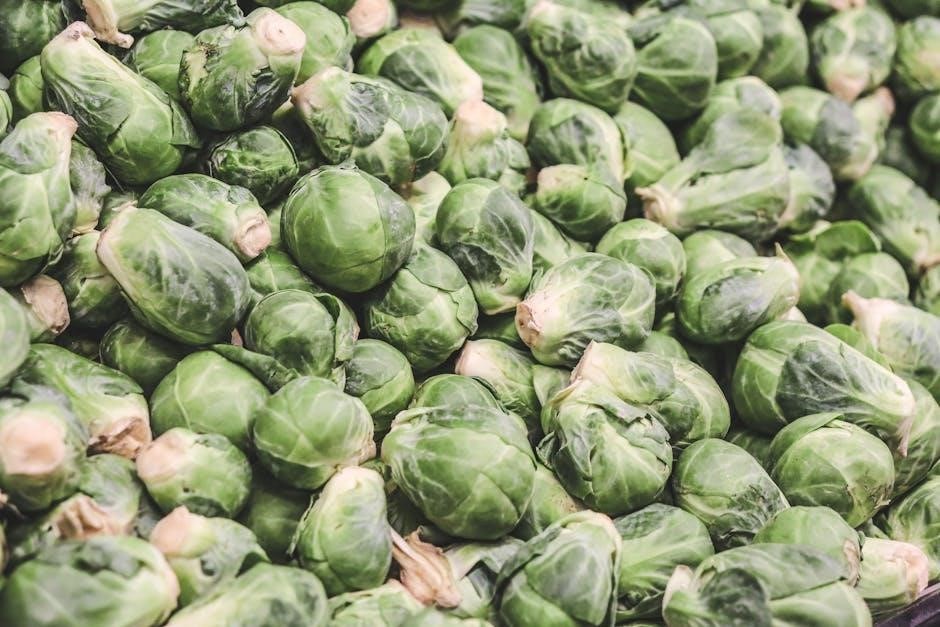
Any comprehensive printable list of anti-inflammatory foods pdf needs to highlight cruciferous vegetables like broccoli, cauliflower, Brussels sprouts, and cabbage. These vegetables are rich in sulforaphane, a compound known for its potent anti-inflammatory and antioxidant properties. The printable list of anti-inflammatory foods pdf should clearly indicate their importance in reducing inflammation markers within the body.
When designing the printable list of anti-inflammatory foods pdf, include diverse preparation methods. Cruciferous vegetables can be roasted, steamed, stir-fried, or even enjoyed raw in slaws. Note that lightly steaming preserves more nutrients than boiling.
The printable list of anti-inflammatory foods pdf could also mention that combining these vegetables with mustard seed powder can enhance sulforaphane production. Regular inclusion of cruciferous vegetables is a proactive step towards managing inflammation and promoting long-term health, making them essential on any anti-inflammatory diet.
Healthy Fats: Omega-3s and Beyond
A well-structured printable list of anti-inflammatory foods pdf must dedicate a section to healthy fats, particularly Omega-3 fatty acids. These fats are crucial for reducing inflammation and supporting overall health. The printable list of anti-inflammatory foods pdf should prominently feature sources like fatty fish (salmon, tuna, mackerel), flaxseeds, chia seeds, and walnuts.
Beyond Omega-3s, the printable list of anti-inflammatory foods pdf should also include olive oil, a cornerstone of the Mediterranean diet, known for its oleocanthal content, which mimics the effects of ibuprofen. Avocado and its oil are also beneficial, providing monounsaturated fats and antioxidants.
When creating the printable list of anti-inflammatory foods pdf, emphasize the importance of balancing Omega-6 and Omega-3 intake. Limiting processed vegetable oils high in Omega-6s is just as important as increasing Omega-3 consumption for optimal anti-inflammatory benefits.
Fatty Fish: Salmon, Tuna, Mackerel
A comprehensive printable list of anti-inflammatory foods pdf absolutely must highlight fatty fish – salmon, tuna, and mackerel – as dietary staples. These fish are exceptionally rich in Omega-3 fatty acids, specifically EPA and DHA, potent anti-inflammatory compounds. The printable list of anti-inflammatory foods pdf should clearly indicate recommended serving sizes, ideally at least two servings per week.
When detailing these options on the printable list of anti-inflammatory foods pdf, specify wild-caught salmon whenever possible, as it generally boasts a higher Omega-3 content and lower contaminant levels. Include notes about sustainable sourcing to encourage responsible consumption; Tuna, while beneficial, should be consumed in moderation due to mercury levels.
The printable list of anti-inflammatory foods pdf could also suggest preparation methods like baking, grilling, or steaming to preserve the Omega-3s, rather than frying. A quick visual cue, like a fish icon, can make these options easily identifiable on the list.
Olive Oil: A Mediterranean Staple
Any effective printable list of anti-inflammatory foods pdf needs to prominently feature olive oil, a cornerstone of the heart-healthy Mediterranean diet. Specifically, extra virgin olive oil (EVOO) is crucial, as it’s packed with oleocanthal, a natural compound possessing similar anti-inflammatory effects to ibuprofen. The printable list of anti-inflammatory foods pdf should emphasize choosing EVOO and detail its versatility in cooking.
When creating the printable list of anti-inflammatory foods pdf, suggest using EVOO as a primary cooking oil, for salad dressings, and even drizzled over cooked vegetables. Highlight that heating EVOO at high temperatures can diminish some of its benefits, recommending lower-heat cooking methods.
The printable list of anti-inflammatory foods pdf could also include a note about storage – keeping EVOO in a dark, cool place to preserve its quality. A small icon representing an olive branch could visually identify this essential ingredient on the list.
Spices & Herbs: Natural Anti-Inflammatory Compounds
A comprehensive printable list of anti-inflammatory foods pdf absolutely must dedicate a section to spices and herbs. These aren’t just flavor enhancers; they’re potent sources of antioxidants and anti-inflammatory compounds. The printable list of anti-inflammatory foods pdf should categorize these for easy reference, perhaps grouping them by flavor profile or intensity.
When designing the printable list of anti-inflammatory foods pdf, prioritize spices like turmeric (containing curcumin), ginger, cinnamon, and cloves. Include brief notes on how to incorporate them – turmeric in smoothies or curries, ginger in teas or stir-fries. The printable list of anti-inflammatory foods pdf should also mention fresh herbs like rosemary, thyme, and basil, highlighting their ease of use in various dishes.
Consider adding a “spice blend” suggestion to the printable list of anti-inflammatory foods pdf, encouraging experimentation with combinations for maximum benefit and flavor.
Turmeric: The Golden Spice
Any effective printable list of anti-inflammatory foods pdf will prominently feature turmeric, often called “the golden spice.” This isn’t merely hype; turmeric contains curcumin, a powerful compound with remarkable anti-inflammatory properties. The printable list of anti-inflammatory foods pdf should detail not just that it’s beneficial, but how to maximize absorption.
Crucially, the printable list of anti-inflammatory foods pdf must emphasize pairing turmeric with black pepper. Piperine in black pepper dramatically increases curcumin bioavailability. Include a note suggesting a ratio – for example, ¼ teaspoon black pepper per teaspoon of turmeric. The printable list of anti-inflammatory foods pdf could also suggest incorporating healthy fats alongside, further enhancing absorption.
Beyond absorption tips, the printable list of anti-inflammatory foods pdf should offer practical usage ideas: golden milk recipes, adding it to soups, or incorporating it into spice rubs for meats or vegetables.
Ginger: A Versatile Root
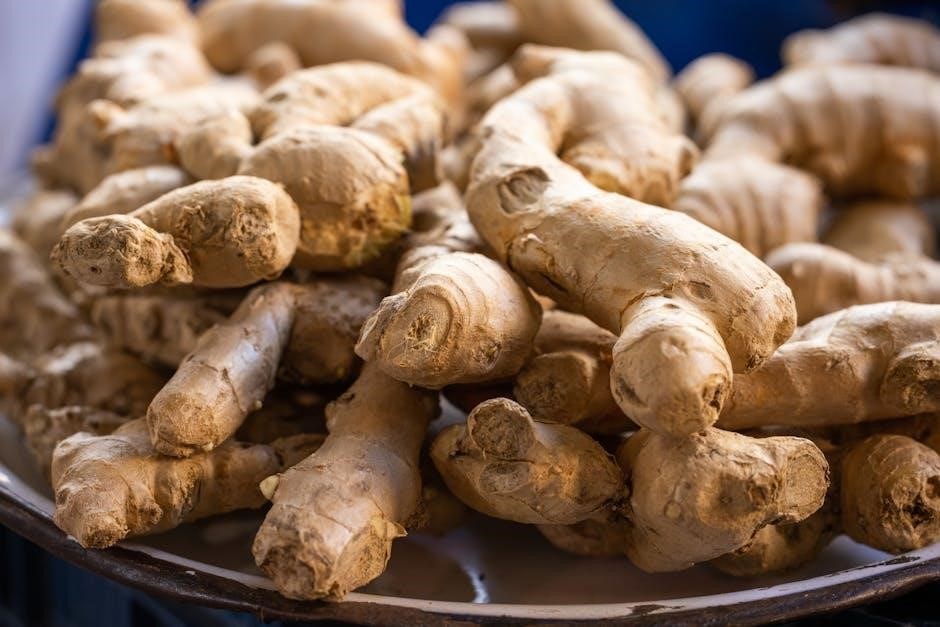
A comprehensive printable list of anti-inflammatory foods pdf absolutely needs to include ginger, a remarkably versatile root with potent anti-inflammatory effects. Beyond simply listing it, the printable list of anti-inflammatory foods pdf should highlight the different forms ginger can take – fresh, dried, powdered, or even as an oil. This caters to diverse culinary preferences and accessibility.
The printable list of anti-inflammatory foods pdf should also briefly explain why ginger is so effective. Gingerol, its main bioactive compound, possesses powerful antioxidant and anti-inflammatory properties. Suggesting ways to incorporate it – in teas, stir-fries, smoothies, or even grated into soups – adds practical value to the printable list of anti-inflammatory foods pdf.
Furthermore, the printable list of anti-inflammatory foods pdf could include a small note about ginger’s potential to alleviate nausea and digestive issues, reinforcing its overall health benefits.

Specific Anti-Inflammatory Foods to Include
A detailed printable list of anti-inflammatory foods pdf should spotlight tomatoes, nuts, seeds, and whole grains, offering a focused guide for dietary choices.
Tomatoes: Rich in Lycopene
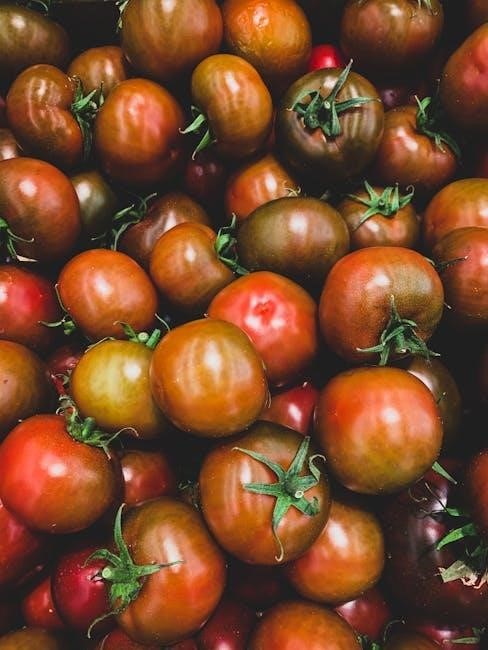
Tomatoes are nutritional powerhouses, celebrated for their high lycopene content – a potent antioxidant linked to reduced inflammation and a lower risk of chronic diseases. Including tomatoes in your diet, and specifically noting them on your printable list of anti-inflammatory foods pdf, is a simple yet effective strategy. Lycopene bioavailability actually increases with cooking, so sauces and pastes are excellent options!
Beyond lycopene, tomatoes provide Vitamin C and other beneficial compounds. When creating your food list, consider different tomato varieties – cherry, Roma, beefsteak – each offering slightly different nutrient profiles. Don’t forget to include tomato-based products like passata and sun-dried tomatoes for convenient inclusion in meals. Prioritizing tomatoes on your shopping list, guided by your printable resource, ensures consistent intake of these inflammation-fighting benefits.
Nuts and Seeds: Healthy Fats and Nutrients
Nuts and seeds are excellent sources of healthy fats, fiber, and various micronutrients, making them crucial components of an anti-inflammatory diet. Incorporating a diverse selection onto your printable list of anti-inflammatory foods pdf ensures you benefit from a wide range of nutrients. Focus on including options like chia seeds, flaxseeds, and hemp seeds, rich in omega-3 fatty acids, known for their potent anti-inflammatory properties;
Don’t overlook the benefits of nuts like almonds, pecans, and Brazil nuts, providing vitamin E and other antioxidants. When compiling your list, note portion sizes – while healthy, nuts are calorie-dense. Consider adding nut butters (without added sugar) for convenient snacking. Regularly referencing your printable list will help you prioritize these nutrient-packed additions to your meals and snacks, supporting long-term inflammation management.
Walnuts: Omega-3 Fatty Acids
Walnuts stand out as a particularly potent anti-inflammatory nut, primarily due to their high concentration of omega-3 fatty acids, specifically alpha-linolenic acid (ALA). Adding walnuts to your printable list of anti-inflammatory foods pdf is a smart move for anyone aiming to reduce inflammation through diet. ALA is converted into EPA and DHA in the body, though the conversion rate can vary, making direct sources of EPA and DHA (like fatty fish) also important.
Beyond omega-3s, walnuts offer antioxidants and polyphenols, further contributing to their anti-inflammatory effects. Include a serving (about a handful) in your daily routine – consider adding them to salads, yogurt, or enjoying them as a snack. When creating your printable list, highlight walnuts as a priority, noting their unique nutritional profile and benefits for overall health and inflammation control.
Whole Grains: Fiber and Antioxidants
Incorporating whole grains into an anti-inflammatory diet is crucial, and they deserve a prominent spot on your printable list of anti-inflammatory foods pdf. Unlike refined grains, whole grains retain their bran, germ, and endosperm, providing a wealth of fiber, vitamins, and antioxidants. Fiber promotes a healthy gut microbiome, which plays a significant role in regulating inflammation throughout the body.
Excellent choices include quinoa, brown rice, oats, and whole wheat. These grains offer sustained energy and help stabilize blood sugar levels, preventing inflammatory spikes. When compiling your list, specify “whole” versions to avoid confusion. Note the fiber content alongside each grain, emphasizing its contribution to gut health and overall anti-inflammatory benefits. Prioritize these over processed grain products for optimal results.
Dark Chocolate: A Guilt-Free Treat (in moderation)
Believe it or not, dark chocolate can absolutely earn a place on your printable list of anti-inflammatory foods pdf! However, moderation is key. The benefits stem from flavanols, potent antioxidants that combat inflammation and protect cells from damage. Opt for dark chocolate with a high cocoa content – ideally 70% or higher – to maximize these advantages and minimize added sugar;
When adding it to your list, clearly specify the recommended serving size (around 1-2 ounces) and emphasize the importance of choosing quality dark chocolate. Note that milk chocolate doesn’t offer the same benefits due to its lower flavanol content and higher sugar levels. Including a reminder about mindful consumption reinforces the “treat” aspect, preventing overindulgence and maintaining a balanced anti-inflammatory approach.

Creating a Printable Anti-Inflammatory Food List
A printable list of anti-inflammatory foods pdf simplifies healthy eating! Categorize foods—fruits, vegetables, fats, spices—for quick reference during grocery shopping and meal preparation.
Designing Your PDF Checklist
Crafting an effective printable list of anti-inflammatory foods pdf requires thoughtful design. Begin by selecting a clear, easy-to-read font and layout. Consider using color-coding to differentiate food groups – perhaps greens for vegetables, reds for fruits, and yellows for healthy fats.
Include checkboxes next to each food item, allowing you to easily track what you’ve purchased or consumed. Space the items adequately to prevent a cluttered appearance. A well-organized list should prioritize readability and functionality.
Think about adding a section for “Staples” – foods you regularly include in your diet. You might also incorporate a small section for notes, allowing you to jot down recipe ideas or specific brands you prefer. Finally, ensure the PDF is optimized for printing, maintaining clarity and legibility when reproduced on paper. A visually appealing and practical checklist encourages consistent use!
Categorizing Foods for Easy Reference
When creating a printable list of anti-inflammatory foods pdf, strategic categorization is key. Divide your list into logical sections like “Fruits” (berries, tomatoes), “Vegetables” (leafy greens, cruciferous vegetables – broccoli, cauliflower), “Healthy Fats” (fatty fish, olive oil), “Spices & Herbs” (turmeric, ginger), “Nuts & Seeds” (walnuts), and “Whole Grains”.
This structure allows for quick identification of foods within each group, streamlining meal planning and grocery shopping. Sub-categorization within each section can further enhance usability – for example, separating “Berries” from other fruits.
Consider alphabetical ordering within each category for even faster access. A clearly categorized list transforms from a simple inventory into a powerful tool for adopting and maintaining an anti-inflammatory diet, making healthy choices more accessible and convenient.

Resources for Further Information
Explore websites and articles detailing anti-inflammatory diets, and consider consulting a registered dietitian for personalized guidance on utilizing a printable list of anti-inflammatory foods pdf.
Websites and Articles on Anti-Inflammatory Diets
Numerous online resources offer comprehensive information about anti-inflammatory eating plans, often including downloadable resources like a printable list of anti-inflammatory foods pdf. Websites such as the Arthritis Foundation and the Cleveland Clinic provide evidence-based articles detailing the benefits of specific foods and dietary patterns. Harvard Health Publishing also features insightful pieces on nutrition and inflammation.
Many registered dietitians and nutritionists maintain blogs and websites with practical tips and meal ideas. Searching for “anti-inflammatory diet food list” will yield a wealth of articles, recipes, and shopping guides. Be sure to evaluate the source’s credibility and look for information backed by scientific research. Several health and wellness publications regularly feature articles on this topic, offering updated insights and practical advice. Utilizing these resources alongside a printable list of anti-inflammatory foods pdf can empower you to make informed dietary choices.
Consulting a Registered Dietitian
While a printable list of anti-inflammatory foods pdf is a helpful starting point, personalized guidance from a Registered Dietitian (RD) can be invaluable. An RD can assess your individual needs, health status, and dietary preferences to create a tailored anti-inflammatory eating plan. They can help you navigate potential food sensitivities or allergies and ensure you’re meeting all your nutritional requirements.
An RD can also assist in interpreting complex dietary information and debunking common myths surrounding inflammation and food. They can provide support and accountability as you implement changes to your diet, and help you overcome challenges. Beyond simply providing a printable list of anti-inflammatory foods pdf, an RD offers a holistic approach, considering lifestyle factors and long-term health goals. They can also help you understand how to read food labels and make informed choices when dining out.
Leave a Reply
You must be logged in to post a comment.